We are currently working directly with RBC to correct an issue where some EFT payments were rejected as a result of RBC's enhanced security checks.

November is Financial Literacy Month
NOVEMBER 13, 2025

Each November, Canadians come together to recognize Financial Literacy Month, a national initiative that shines a light on the importance of understanding and managing our finances. This year’s national theme, “Talk Money,” encourages Canadians to start conversations with partners, family, colleagues, and financial professionals about topics that too often remain unspoken.
Staying the Course: How Market Volatility Affects Your Retirement Savings
MARCH 4, 2025

What's happening?
We've all heard about tariffs on Canadian imports to the United States, but it's still unclear what’s actually happening or what it means in the long run. If you’re wondering how this affects your retirement savings in PEPP, you’re not alone. Many investors react emotionally during market shifts, but history has shown that staying the course is often the best strategy.
MID-CAREER
Understanding your credit score
NOVEMBER 6, 2024

A credit score measures how likely you are to pay your debts on time. Your score is not a fixed number, but one that can change over time. It’s based on your credit history, which is a record of how you’ve managed credit in the past.
Getting a handle on high inflation
OCTOBER 24, 2024

Managing your money when inflation is high is essential for keeping your spending power strong and your finances stable. Here are five tips to help you in these challenging times:
Explore your savings options – buying your first home
JUNE 18, 2024

When you are thinking of purchasing your first home, saving for a down payment can feel very overwhelming. For those who are facing this decision you have an option in the First Home Savings Account (FHSA), a new savings vehicle introduced by the Federal Government in 2023 for first-time home buyers who did not own a qualifying home which served as a principal place of residence in the year the account is opened or in any of the four preceding calendar years.
MID-CAREER
Parenthood and pension planning
APRIL 10, 2024

Currently on a maternity leave, Koryn is Plannera’s Manager of Marketing & Communications. Koryn and her husband, Edward, have carefully managed their finances to allow them to buy a house and raise two children while pursuing their passion for travel. We caught up with Koryn upon her family’s return from Istanbul, Turkey, to ask about their pension planning.
Strong fund returns come at a cost
NOVEMBER 21, 2023

Looking at PEPP’s annualized returns – which is the average return over a specific number of years – you’ll see the funds performed better than the benchmarks. As a PEPP member, these returns mean your PEPP account is growing over time.
In the last two decades, PEPP’s strong fund performance is due, in part, to its diversified investment structure. This includes the addition of alternative investments.
Alternatives include real estate, private equity, and infrastructure.
Six Pieces to Financial Wellness
NOVEMBER 7, 2023

Financial Wellness is the balance between having a healthy state of well being today while preparing financially for tomorrow. Why is it important? Personal Finances are the number one cause of employee stress. Being financially well can help you reach your long-term goals, be prepared for emergencies, reduce stress, but also give you the freedom and choice about how to spend your time without being constrained by financial limitations.
There are six components that work together to achieve financial wellness:
Estate Planning
JULY 26, 2023
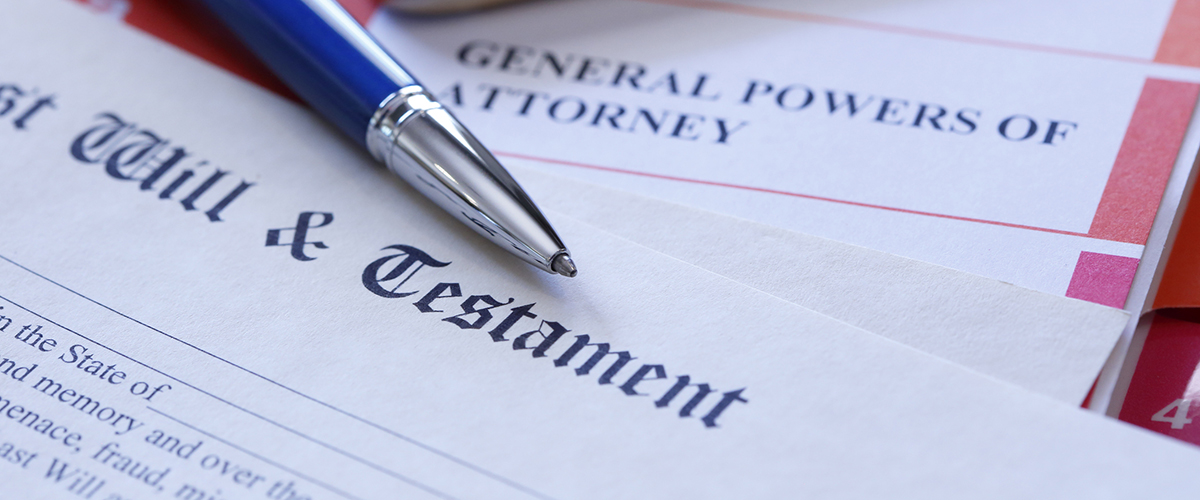
Key Components of an Estate Plan
A thorough estate plan consists of several parts, including legal documents and financial instruments. Here’s an overview of the key components you should have in your estate plan.
Debt Reduction
JULY 13, 2023

Debt Free -- isn’t that everyone’s goal? Debt can be good and bad, but the key to managing your debt is keeping track and having a plan to pay it off.
We may need to borrow money to buy large items like homes, cottages, businesses and investments. These are called secured debt because the money is used to buy an asset and that asset secures the loan. Since most of us do not have $400,000 dollars in a bank account ready to buy a house, this debt is considered good debt and the interest is typically lower.